


What to Do During a Dental Emergency: Federal Way's Guide to Saving a Tooth
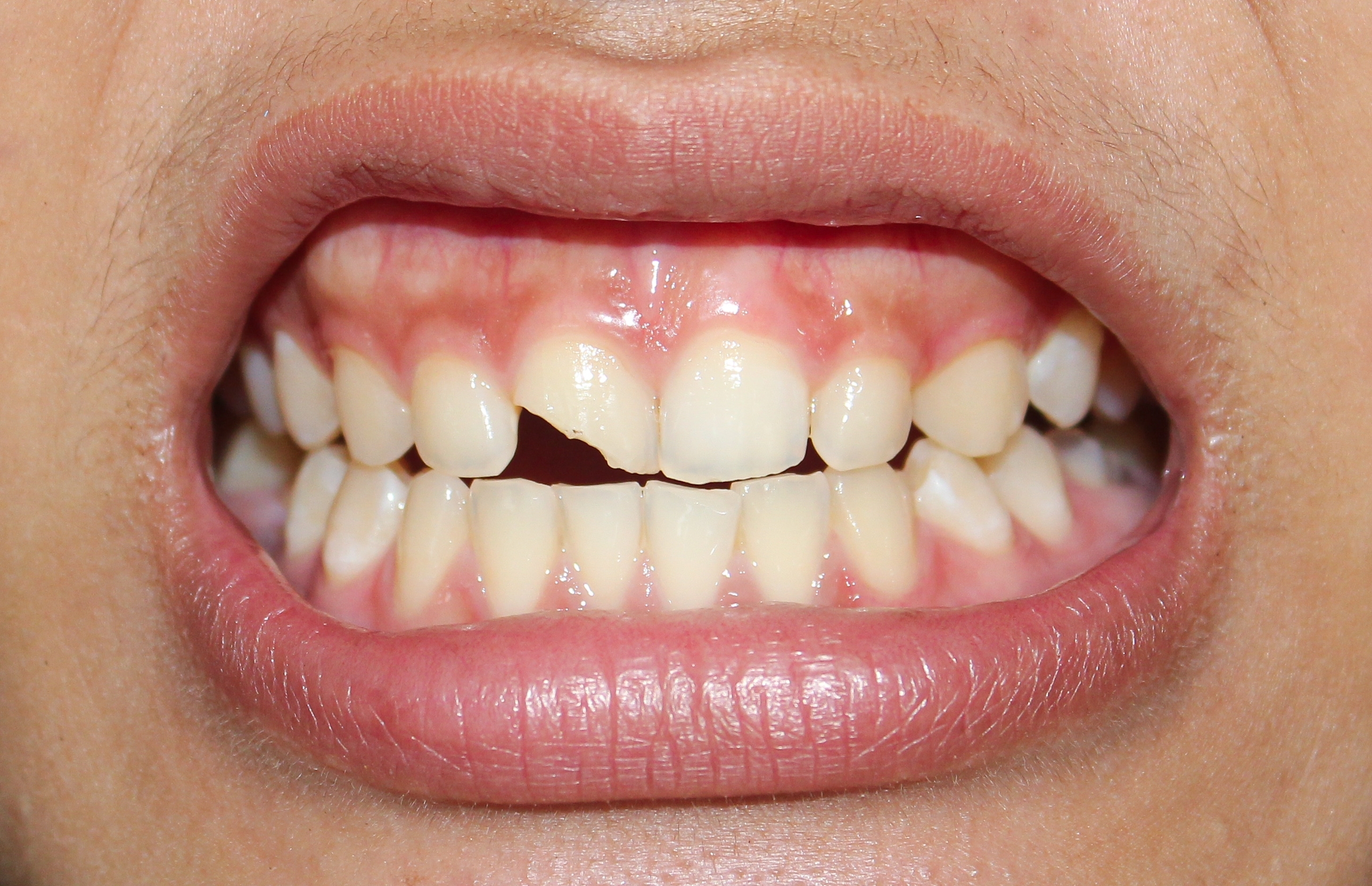
A cracked, broken, or knocked-out tooth can be frightening, but the actions you take immediately after the injury may affect whether the tooth can be saved. Dental emergencies require prompt professional attention, even when pain seems manageable or bleeding has stopped.
For patients in Federal Way, knowing how to respond can protect the injured area, reduce complications, and help the dentist provide the most conservative treatment possible.
What Counts as a Dental Emergency?
A dental emergency is any injury, infection, or sudden problem that requires timely care to relieve severe symptoms or protect the teeth and surrounding tissues. Common examples include a knocked-out permanent tooth, a deeply cracked tooth, uncontrolled bleeding, facial swelling, severe tooth pain, or a damaged restoration that exposes the tooth.
Contact a dentist as soon as possible and explain exactly what happened, when the symptoms started, and whether there is swelling, bleeding, fever, or trauma. The American Dental Association recommends visiting a dentist promptly for dental emergencies because fast action can make the difference between saving and losing a tooth.
Immediate Steps That May Help Save a Tooth
Your response will depend on the type of emergency. Until you reach a Federal Way dentist, follow these basic steps:
- For a knocked-out permanent tooth, pick it up by the crown and avoid touching the root
- If the tooth is dirty, rinse it gently with water without scrubbing or using soap
- Try to place the tooth back into its socket without forcing it
- If reinsertion is not possible, keep the tooth moist in milk or an approved tooth preservation solution
- For a cracked tooth, rinse with warm water and apply a cold compress to the outside of the face
- For a toothache, gently floss around the area to remove trapped food
- Do not place aspirin directly on the tooth or gums because it can damage the tissue
A knocked-out permanent tooth has the best chance of being saved when it is handled correctly and treated quickly. The American Association of Endodontists advises seeking dental care within 30 minutes whenever possible.
What Not to Do After a Dental Injury
Avoid delaying treatment because the pain improves. Dental trauma may damage the root, pulp, or surrounding bone even when the visible portion of the tooth appears intact. A crack can also extend below the gumline or allow bacteria to enter the inner tooth.
Do not use glue to reattach a crown or broken piece of tooth. Avoid chewing on the injured side, and do not attempt to remove an object with a sharp instrument. When a restoration comes loose, bring it to the appointment so the dentist can evaluate whether it can be reused.
When to Visit an Emergency Room
Most tooth-related emergencies should be evaluated by a dentist. However, a hospital emergency department may be necessary when the injury involves a suspected broken jaw, serious facial trauma, uncontrolled bleeding, difficulty breathing, or swelling that affects swallowing.
The ADA recommends immediate hospital or dental care for a suspected jaw fracture and emergency evaluation when oral bleeding is excessive or does not stop. Once the immediate medical concern is stabilized, follow-up dental treatment may still be required.
How a Dentist Evaluates the Damaged Tooth
During an emergency dental evaluation, the dentist will examine the tooth, gums, bite, and surrounding tissues. Dental X-rays may be used to check the root, jawbone, and extent of the damage.
Treatment depends on the diagnosis. Minor chips may be repaired with bonding, while larger fractures may require a crown. If the inner pulp is infected or injured, root canal treatment may help preserve the natural tooth. A severely damaged tooth that cannot be restored may need extraction and later replacement with a dental implant or another option.
Clarity Dental Center for Implant and Family Dentistry provides general dentistry, CEREC crowns, dental implants, toothache treatment, and advanced dental care for patients in Federal Way.
Prepare Before an Emergency Happens
Keep your dentist’s phone number accessible and consider adding a tooth preservation kit to your home or sports first-aid supplies. Athletes should wear a properly fitted mouthguard, and patients should avoid chewing ice, hard candy, or other items that can fracture teeth.
Schedule urgent dental care with Clarity Dental Center for Implant and Family Dentistry at 34616 11th Place S., Suite 4, Federal Way, WA 98003, or call (253) 799-1490.


© 2026 Clarity Dental Center for Implant and Family Dentistry. All rights reserved.
Dentistry by Kwan M. Lee DDS of Federal Way, WA. We make beautiful smiles a reality. Quality dental care provided by dentist Kwan Lee and staff at our beautiful WA office. Providing a wide array of dental procedures including LANAP (Perio Laser), CEREC Crowns (one Visit Crown), Crowns, Cosmetic Dentist, Teeth Whitening, Veneers, Dental Implants, Toothache and many other services. All of this available in our convenient dentist office in Federal Way, WA. Also Proudly Serving: Federal Way, WA, Tacoma, WA, Seattle, WA
Powered by: 